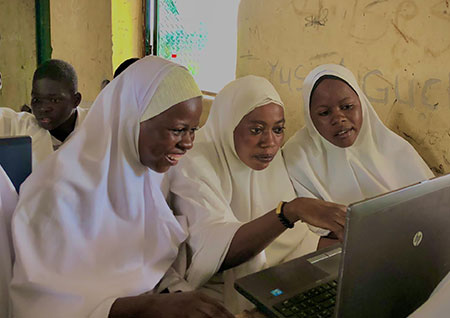
One Digital Skill, Many Futures
Nigeria | MarBen Foundation A computer lesson can be more than a skill; it…
The Government of Zimbabwe has amended the constitution, adopting a 30% quota for women councillors in local government ahead of the 2023 national elections. The move comes after lobbying and pressure from the Women’s Academy for Leadership and Political Excellence (WALPE) and partner organisations demanding a 50% gender balance in all leadership positions.
Zimbabwe, a deeply conservative country, has consistently recorded a lower percentage of female candidates’ participation in elections since independence in 1980 compared with men, despite constituting more than half of the electorate and 15 million people in the country.
With Support from UAF-Africa, WALPE mobilised aspiring women leaders to speak for themselves during the Parliamentary hearings. They also took centre stage in drafting and submitting the petition to Parliament. Raising their voices helped in making Parliament understand the urgency of gender equality and firsthand challenges affecting women contesting for public office, including political and gender-based violence.
Aspiring women leaders from Zaka Masvingo province said women are running out of patience with the government’s failure to abide by sections 17, 56, and 80 of the constitution. “We want equality Now!!”
Engaging parliamentarians directly spurred the creation of spaces to advance activism, thus prioritising feminists’ needs, aspirations, and key asks in the fight for gender equality in Zimbabwe.
WALPE and women’s movements welcomed the government’s move to introduce a 30% quota for local government, granting more than 580 women an opportunity to be appointed as councillors in the 2023 elections and going forward. This decision increases the number of women in Parliament to debate policy issues affecting women and local government, where social service delivery issues are topmost.
The Parliament has 13% of women directly elected to office and 12.5% of women in local government (councillors). This is far from the 50% provided for in the constitution, necessitating WALPPE’s intervention.
Nigeria | MarBen Foundation A computer lesson can be more than a skill; it…
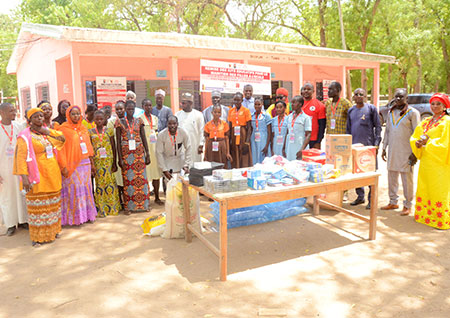
In Bogo, northern Cameroon, classrooms lose more adolescent girls with each passing month. The reason…
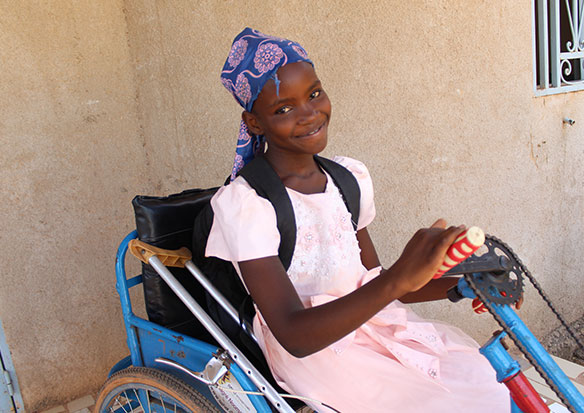
Burkina Faso | Association Action pour un Monde Meilleur (AMM) A tricycle, a white cane,…