African Women’s Human Rights Defenders and feminist movements across the continent continue to live in and navigate complex and hostile contexts that are fuelled by modes of dominion, including patriarchy, neo-colonialism, religious fundamentalisms, capitalism, racism, fascism, militarism, conflict, violence.
This reality, coupled with ongoing political, social, environmental, health and economic crises, has pushed Defenders and African women further to the margins of society, deepening existing gender and intersecting structural inequalities.
As a pan-African feminist Fund, UAF-Africa stands in solidarity with and supports Defenders, individual feminists, and collectives as part of feminist movements in situations requiring urgent actions so that they can continue advancing social change and transformation while sustaining themselves and their activism. The ‘what and how’ of our grantmaking is rooted in our values and shared feminist principles of philanthropy.
Using the Rapid Response Grantmaking mechanism, we provide Defenders and their formations with urgent and timely financial and technical resources and solidarity to dismantle oppressive systems, transform power, and change dominant narratives while centring their safety and well-being.
Importantly, we support defenders, particularly in the feminist and women’s rights movements, in their actions, which enable them to support and sustain themselves, each other and their work before, during, and after urgent situations.

These grants are intended for unanticipated and urgent actions that present an opportunity to catalyse change and transform power relations – advancing women’s human rights. They also respond to shocks or crises, protecting Defenders to ensure holistic security.

These grants are intended for medium-term activities, processes, and projects linked to decision-making on urgent situations that Defenders and their collectives face.
"When spider webs unite, they can tie up a lion."
- African Proverb
Supporting and engaging with interrelated broad themes of People, Power, and Planet, the Fund’s Programme operations engage deeply with the following sub-themes:
Defenders continue to operate in a challenging African context. While we have quite a few intense crises, including armed conflict, for some communities, slow-building and chronic crises have been normalised. Ongoing crises like the closure of civic space have naturally taken formation to reinforce systemic oppression. The ‘closure of civic space’ is a series of crises that have become the norm of how activists experience reality – persistent criminalisation, the passing of laws that make receipt of foreign funding very difficult, and legal persecution of activists and groups, among others- all create a context of persistent crises. This means that Defenders are especially marginalised and are uniquely vulnerable during periods of crisis.
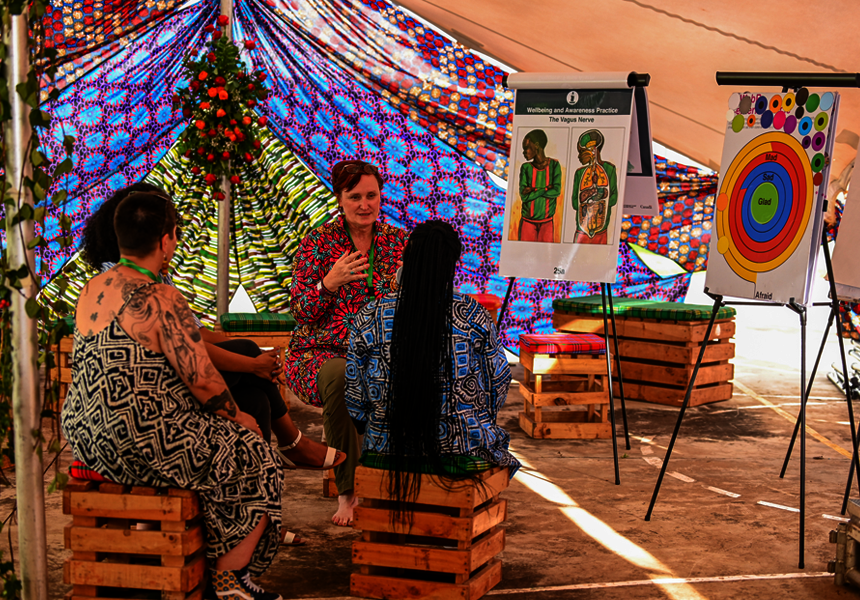
This landscape has resulted in increased attacks on Defenders and feminist activists, including arbitrary arrests, death, forced disappearances, and physical, economic, and emotional abuse. As a feminist and activist Fund, we centre the well-being and safety of Defenders and feminist activists, providing financial and technical resources to defenders who are at risk because of who they are and their activism. Our support goes beyond the physical security of the defenders to include digital, psychological, economic, spiritual, and political security. Support encompasses well-being, collective care, healing, and regeneration. We also provide resources to build and strengthen the African feminist movement, e.g., supporting cross-movement learning and capacity-sharing spaces.
Natural resource governance, climate change and social justice interact circularly and at the heart of this are women’s rights. Women are critical to managing and controlling natural resources such as land. Additionally, women are pivotal in climate change adaptation and mitigation processes because of their overwhelmingly close relationship with natural resources and their knowledge and skills in adapting environmentally friendly production of natural resource outputs. Our intersectional feminist lens acknowledges that women’s experiences in the fight against extractivism, harmful gas emissions, lack of land ownership, water privatisation, floods, deforestation, droughts, and all identifiable environmental calamities are a political fight which is deeply intertwined with the realisation of women’s economic justice, eradication of gender-based violence, and access to sexual and reproductive health and rights services. Defenders resisting extractives and defending natural resources face disproportionately higher rates of threats and attacks. We are committed to partnering with and building women-led solid movements that champion the needs of African women. Furthermore, we support initiatives that prioritise the generation and dissemination of knowledge, amplify the voices of grassroots women, break down structural barriers to the success of feminist movements, and appreciate the physical security and well-being of environmental African women’s human rights defenders.
Economic justice
Our economic justice work is founded on the philosophy that when women have equal and unobstructed access to resources, opportunities, markets, and innovations, they can continuously increase and leverage their intellectual, social, political, and economic capital, as well as productivity and output. Our position is derived from economic trends that have deprived women in Africa of controlling economic resources, denied the recognition and valuation of care/reproductive work, and excluded women from controlling and accessing land and natural resources. To achieve our women’s economic justice ambitions, we work with autonomous, diverse, and motivated feminist movements to challenge unjust economic power, drive women’s economic justice agenda, expand access to productive resources and opportunities for women, and shift narratives around women’s abilities and prospects to thrive as entrepreneurs
Civic Engagement
We recognise the crucial role that civic participation plays in shaping democratic societies and advancing women’s rights. Our commitment to civic engagement aims to deepen our work with our communities, ensuring their voices are heard and actively influencing policies and practices. By empowering African Women Human Rights Defenders (Defenders) through civic participation, we are fostering environments where women can exercise their rights and defend them effectively, challenging oppressive structures and advocating for change.
Gender-Based Violence (GBV)
Gendered violence in Africa remains a deeply entrenched and pervasive issue with significant implications for women’s rights across the continent. Various forms of violence, including physical, sexual, psychological, and economic violence, persist, negatively impacting the lives of women including contributing to a cycle of gender-based violence. Defenders activism and identities are an act of challenging retrogressive gender norms, and consequently, they experience structural, direct, and state-sanctioned violence at a higher rate. In recognising that Gender-based violence is rooted in patriarchal norms that play a significant role in perpetuating structural inequalities, we support initiatives that aim to transform oppressive power and challenge harmful traditional norms which are used to sustain the status quo and hierarchy of gender identities. Both interpersonal and structural violence involve the prioritisation of hegemonic masculinities above the rights of other gendered identities. We believe in and support initiatives that catalyse change and confront and dismantle the root causes of gender-based violence.
Sexual and Reproductive Health and Rights and Justice (SRHRJ)
Our SRHRJ work is rooted in the recognition of the histories of sexual and reproductive oppression and abuse. Our approach recognises that women’s access to SRHRJ is shaped by a combination of social, economic, and political factors that create unique experiences of power, privilege, discrimination, and oppression. We recognise that women’s bodies are the site of patriarchal contestation for dominion and control, noting that Defenders are uniquely vulnerable to attack when defending rights associated with SRHRJ. We support innovative strategies by collectives of women and gender non-conforming groups that aim to uphold their bodily autonomy and integrity. Our support is grounded in movement-building and organising to change structural power inequalities that enable varying oppressions to different bodies through negative cultural norms and binary constructions of gender and sexuality on unequal power relations. We support initiatives that challenge norms that promote heteronormativity, forced abortions, sexual violence, and control of women’s reproductive health and bodies.
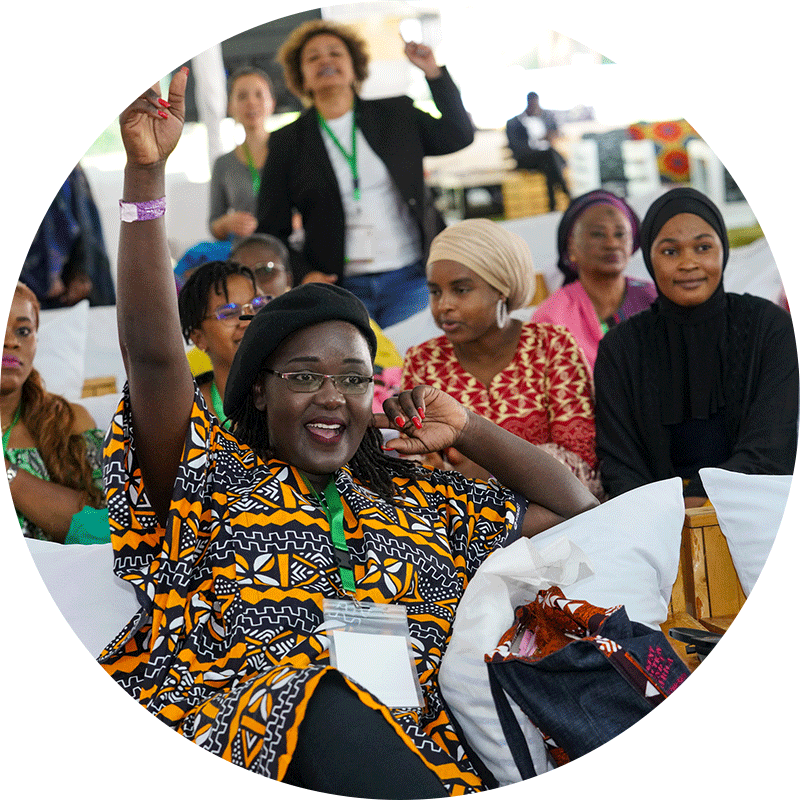
Urgent Action Fund Africa is a pan-African and Feminist Rapid Response Grant Making Fund. We have resourced more than 5,200 grants with a geographical presence in Africa’s 54 countries.
Collectively, our Board Members and Staff members are physically present in more than 15 African countries and speak more than 46 African languages